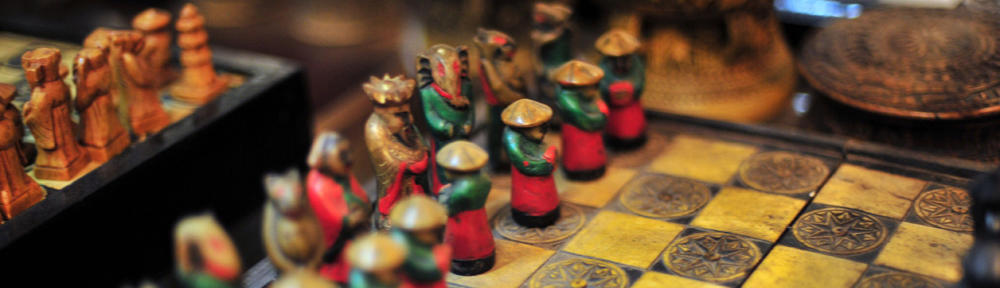
- Collectible curiosities featuring unique talismania and handcrafted artistry
- The Historical Roots of Talismans and Miniature Art
- The Modern Resurgence: Defining Contemporary Talismans
- Techniques and Materials Employed in Talismania Creation
- The Appeal to Collectors: Value and Rarity
- Caring for and Preserving Talismans
- Beyond Aesthetics: The Enduring Power of Miniature Worlds
Collectible curiosities featuring unique talismania and handcrafted artistry
The allure of collecting is deeply ingrained in human nature. From stamps and coins to antique furniture and fine art, people have long sought to gather and cherish objects of personal significance or historical value. Within this vast world of collectibles, a unique and fascinating niche has emerged, centered around the captivating beauty and intricate detail of talismania. This isn’t simply about acquiring possessions; it's about embracing artistry, storytelling, and a connection to the past.
These curious objects, often small in scale, possess an uncanny ability to transport us to different eras and evoke a sense of wonder. The appeal lies not only in their aesthetic qualities but also in the mystery surrounding their origins and purposes. The practice of collecting these items has grown in popularity, with enthusiasts dedicating themselves to researching, preserving, and sharing these miniature masterpieces. The current revival is fueled by a desire for tangible connections in an increasingly digital world, a yearning for authenticity, and an appreciation for skilled craftsmanship.
The Historical Roots of Talismans and Miniature Art
The practice of creating and collecting small, intricately crafted objects dates back centuries. Throughout history, cultures around the globe have utilized miniature representations of deities, animals, and symbolic motifs as talismans, amulets, or religious icons. These objects were believed to possess protective powers, bring good fortune, or serve as a conduit to the spiritual realm. Ancient Egyptians adorned themselves with amulets representing various gods and goddesses, while Roman soldiers carried miniature standards representing their legions. Early examples weren’t purely aesthetic, but rather deeply interwoven with belief systems.
The evolution of these miniatures led towards artistry itself. During the Renaissance, incredibly detailed miniature portraits became fashionable among the European aristocracy. Painters would painstakingly recreate likenesses on tiny ivory or vellum canvases, showcasing remarkable skill and precision. These weren't simply portraits, but statements of wealth, status, and artistic patronage. The Victorian era saw a resurgence in the creation of sentimental keepsakes, including miniature lockets, mourning jewelry, and decorative objects designed to be cherished and passed down through generations. The aesthetic qualities began to rival their symbolic origins, reflecting a broader cultural shift.
| Era | Dominant Material | Common Motif | Purpose |
|---|---|---|---|
| Ancient Egypt | Faience, Stone | Gods, Sacred Animals | Protection, Religious Devotion |
| Renaissance | Ivory, Vellum | Portraits, Heraldry | Status, Commemoration |
| Victorian | Jet, Gold, Ivory | Sentimental Images, Mourning Symbols | Remembrance, Affection |
| Early 20th Century | Celluloid, Bakelite | Figurines, Souvenirs | Novelty, Collectibility |
The materials used in their creation further highlight this historical journey. From ancient stone and precious metals to the innovative materials of the 20th century like celluloid, the choice of medium often reflected the technological advancements and prevailing tastes of the time. The enduring appeal of these small treasures lies in their ability to offer a glimpse into the past and a tangible connection to the artistry and beliefs of earlier generations.
The Modern Resurgence: Defining Contemporary Talismans
The term "talismania," as it’s used today, encompasses a broader scope than its historical predecessors. While traditional talismans retained a strong association with magic or spirituality, contemporary examples often prioritize artistic merit and unique craftsmanship. We now see a fantastic range of miniature worlds meticulously constructed within lockets, boxes, or even repurposed vintage containers. This isn't necessarily about believing in inherent power, but appreciating the immense skill and creativity involved in their creation. The modern movement embraces a range of styles and materials, reflecting individual artistic expressions.
A key characteristic of this contemporary form is the emphasis on detail. Artists demonstrate astonishing precision when crafting minuscule figures, landscapes, or even entire scenes. The use of mixed media is also prevalent, incorporating elements like beads, wire, fabric, and found objects to create visually rich and textured compositions. This approach allows for a stunning diversity of styles and subjects, catering to a wide range of tastes. The work is very different than mass-produced items; they are genuinely unique.
- Miniature Sculptures: Tiny, three-dimensional artworks often depicting figures or animals.
- Locket Scenes: Intricate dioramas created within a locket’s frame.
- Bottle Art: Miniature worlds built inside glass bottles.
- Shadow Boxes: Small, enclosed spaces showcasing elaborate arrangements of objects.
- Repurposed Object Art: Transforming vintage containers into unique display pieces.
The growth of online platforms has played a significant role in the resurgence of this hobby. Websites and social media groups dedicated to talismans provide a space for artists to showcase their work, collectors to connect, and enthusiasts to learn more about the history and techniques involved. It has democratized access to both the creation and appreciation of these miniature wonders.
Techniques and Materials Employed in Talismania Creation
The creation of talismans and miniature art demands a high degree of technical skill and artistic vision. Artists often employ a variety of techniques, honed over years of practice. Sculpting, painting, jewelry making, and even model making all contribute to the creation of these intricate pieces. A steady hand, exceptional patience, and an eye for detail are essential qualities for any aspiring talisman artist. The process is often painstaking, requiring the use of specialized tools and materials.
The materials used are equally diverse. Polymer clay is a popular choice for sculpting small figures, as it’s easy to work with and can be baked to create a durable finish. Beads, sequins, and other embellishments add texture, color, and visual interest. Wire is frequently used to create armatures, supports, and delicate details. Found objects, such as vintage buttons, broken jewelry, and tiny charms, are often incorporated to add a sense of history and character. The diversity of options allows for boundless creativity.
- Sketching and Design: Conceptualizing the composition and planning the layout.
- Sculpting and Forming: Creating the individual components using clay or other materials.
- Painting and Detailing: Adding color, texture, and fine details.
- Assembly and Composition: Combining the individual elements to create the finished piece.
- Finishing and Sealing: Protecting the artwork with a sealant or varnish.
Furthermore, the utilization of magnification tools, like magnifying glasses or microscopes, is common, enabling artists to execute incredibly precise work. The choice of adhesives is also critical, as artists need to ensure that the components are securely bonded together without detracting from the overall aesthetic. This interplay of skill, technique, and material selection ultimately defines the quality and artistry of the finished talisman.
The Appeal to Collectors: Value and Rarity
The value of a talisman is determined by a confluence of factors, including the artist’s reputation, the complexity of the design, the materials used, and the overall condition of the piece. Works created by well-known or highly regarded artists often command higher prices, especially if they are unique or limited editions. Intricate pieces that demonstrate exceptional craftsmanship and attention to detail are also highly sought after. Collectors appreciate the time, skill, and artistry invested in creating these treasures.
Rarity also plays a significant role in determining value. One-of-a-kind pieces or those produced in very small numbers are inherently more valuable than mass-produced items. Additionally, pieces with historical significance or a compelling backstory may fetch higher prices. The provenance of an item, its history of ownership, can also influence its value, particularly if it was previously owned by a notable collector or figure. The emotional connection a collector has to the object is often a valuable consideration as well.
Caring for and Preserving Talismans
Given their delicate nature and often intricate details, talismans require careful handling and preservation. Proper storage is essential to prevent damage from dust, moisture, and light. Ideally, pieces should be stored in individual display cases or acid-free boxes, away from direct sunlight and fluctuating temperatures. Regular cleaning with a soft brush or cloth can help remove dust and debris, but harsh chemicals or abrasive cleaners should be avoided. Handling the pieces with clean hands is also recommended.
For particularly valuable or fragile talismans, professional conservation services may be necessary. Conservators can provide specialized cleaning, repair, and restoration services to ensure the long-term preservation of these delicate artworks. Maintaining a stable environment, free from excessive humidity or dryness, is also crucial. By taking proactive steps to care for and preserve these treasures, collectors can ensure that they remain in excellent condition for generations to come. Proper handling, storage, and maintenance are key to longevity.
Beyond Aesthetics: The Enduring Power of Miniature Worlds
The enduring appeal of talismans extends beyond their aesthetic qualities. These miniature worlds offer a unique form of escapism, allowing viewers to lose themselves in intricate details and imaginative scenarios. They tap into a primal human fascination with small things, evoking a sense of wonder and curiosity. The meticulous craftsmanship involved speaks to a slower, more deliberate way of life, a counterpoint to the fast-paced nature of modern society. They are a reminder of the beauty that can be found in even the smallest of creations.
Furthermore, the act of collecting talismans can be a deeply personal and meaningful experience. Each piece represents a story, a memory, or a connection to a particular artist or era. The ongoing growth of the talisman community demonstrates a shared passion for artistry, craftsmanship, and the preservation of cultural heritage. The continued interest in these pieces suggests that the human desire for beauty, wonder, and connection will endure for many years to come. This is an artform that beautifully blends history, skill, and imagination.